
A septic system is an underground wastewater treatment structure used in areas without central sewer systems. In Wyoming, these systems use a combination of nature and technology to treat wastewater from household plumbing, typically consisting of a septic tank and a drain field. Before buying a rural home, you must verify the system’s age, permit status, and current functionality to avoid repair costs that often exceed $15,000.
How Does a Septic System Actually Work?
A standard septic system separates solids from liquids through a settled bacterial process before discharging the remaining water into a drainage area. In the rural outskirts of Riverton, these systems rely heavily on soil absorption. If the soil is too packed or frozen, the water cannot filter through, leading to backups or surface pooling.
When you flush a toilet or run a sink, the waste travels to a buried, watertight container. Inside, good bacteria break down organic matter. The liquids flow out into the drain field, while solids stay in the tank. Because Wyoming has such a wide range of soil types—from sandy loam to heavy clay—the efficiency of this process varies wildly from one property to the next.
Why Is a Local Inspection Vital in Wyoming?
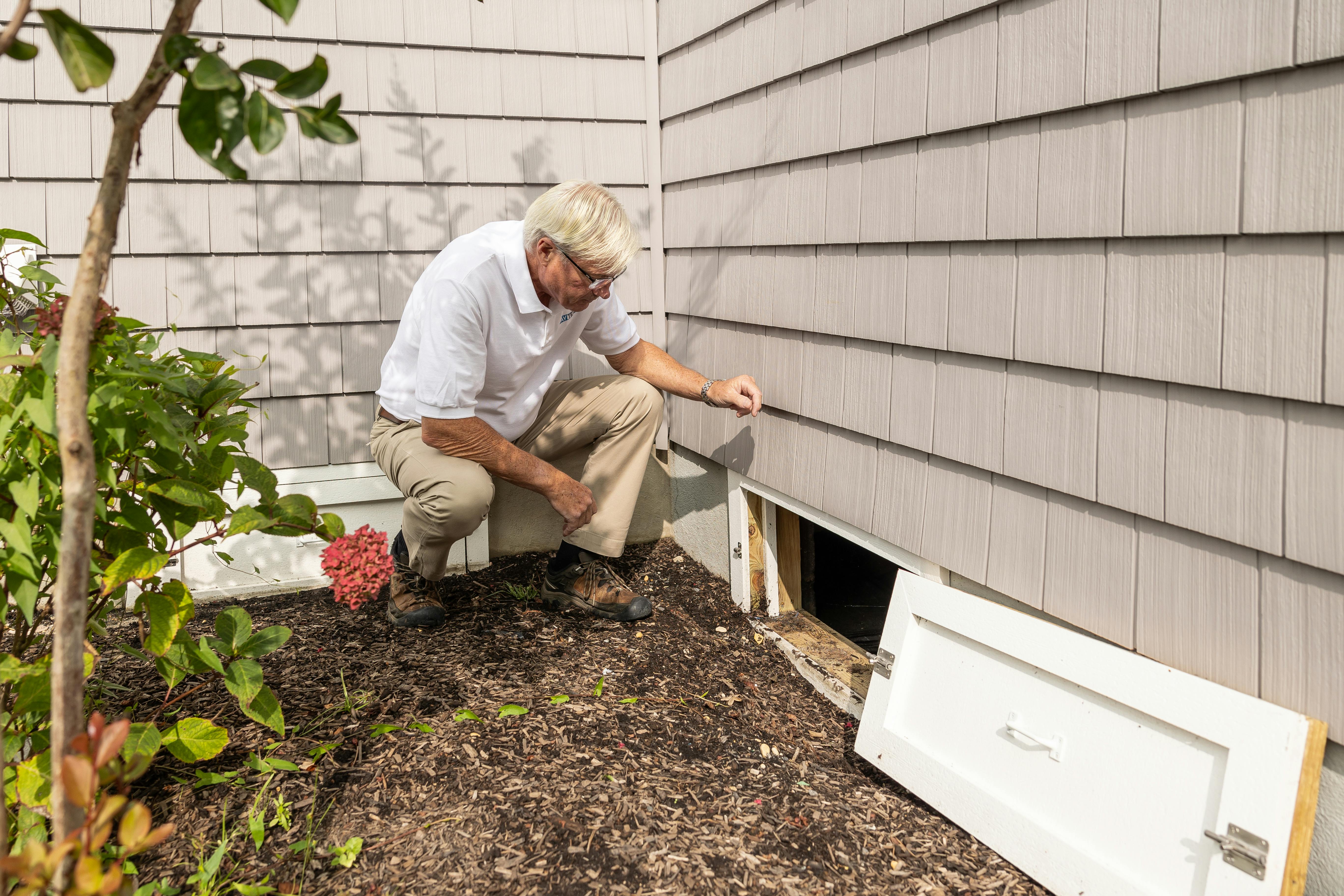
A septic inspection is a specialized review that goes beyond a standard home inspection to check the integrity of the tank and the health of the absorption field. In Wyoming, this involves pumping the tank to look for cracks and using cameras to inspect the lines. Without this, a buyer inherits the sludge and potential failure of the previous owner.
Many buyers assume a home inspector checks the septic system. They usually do not. They might flush a few toilets, but they won’t dig up the tank lids. A professional septic technician will measure the scum and sludge layers. They also perform a stress test by running a high volume of water through the system to see if the drain field can handle a modern family’s usage. If a system was built for a single person and you are a family of five, the inspection will reveal if the system is destined to fail under new pressure.
What Are the Most Common Septic Issues in Cold Climates?
The primary septic issues in Wyoming involve frozen pipes, soil compaction from snow equipment, and hydraulic overload during spring thaws. Because Riverton experiences deep freezes, shallow pipes can freeze if they aren’t properly insulated or buried deep enough. Additionally, driving a snowmobile or truck over a drain field can crush the pipes underneath.
Another local problem is the dead tank. If a home sits vacant during a Wyoming winter without heat, the bacteria inside the tank can die off. When a new family moves in and starts using high-strength cleaning chemicals, the system can’t recover fast enough to process waste. This leads to odors and, eventually, a clogged leach field. Always ask how long a house has been sitting empty before you sign a contract.
Identifying a Failing Drain Field Before You Buy
A failing drain field often shows itself through lush, bright green grass over the tank area or soggy patches of soil even when it hasn’t rained. You might also notice a sewage smell outdoors or gurgling sounds in the pipes when the washing machine drains. If you see standing water near the septic area, the system is likely already in total failure.
In dry climates like ours, a patch of grass that looks significantly better than the rest of the yard is a major red flag. It means the effluent (wastewater) is rising to the surface rather than filtering down. This is an environmental hazard and a sign that the soil can no longer soak up any more liquid. If you spot this during a walkthrough, stop and call a specialist immediately.
The Financial Impact of Wyoming Septic Regulations
Wyoming regulations require specific setbacks from wells and property lines to prevent groundwater contamination. If an older system was grandfathered in but fails, you may be forced to install a more expensive enhanced system to meet current environmental codes. These modern systems often require electric pumps and specialized sand filters, which cost significantly more than traditional gravity-fed systems.
When a system is located too close to a creek or a private well, the risk of nitrate contamination increases. If your water test comes back positive for bacteria or high nitrates, the septic system is the most likely culprit. Fixing this isn’t just about a new tank; it might involve moving the entire system to a different part of the lot, which requires new permits and extensive excavation.
How to Maintain Your System After Closing
Maintenance in a rural Wyoming home requires pumping the tank every three to five years and being careful about what goes down the drain. Avoid flushable wipes, grease, and harsh chemicals that kill the bacteria needed for waste breakdown. You should also keep trees with deep roots away from the drain field to prevent pipe blockages.
- Pumping: Schedule a pump-out immediately after moving in so you have a baseline.
- Water Usage: Space out laundry loads. Five loads in one day can flood a small system.
- Protection: Never park vehicles or place heavy sheds over the septic area.
- Additives: Most experts suggest avoiding septic starters. A healthy human diet provides all the bacteria a tank needs.
Essential Questions for the Current Homeowner
Before finalizing your offer, ask the seller for the date of the last pump-out and the location of the as-built drawing. This map shows exactly where the tank and lines are buried. If the seller cannot provide a permit or a map, you should factor the cost of a professional locate and inspect service into your closing costs.
Specific questions to ask:
- When was the tank last pumped?
- Has the alarm ever gone off (if it’s an aerobic system)?
- Are there any easements on the property that interfere with the septic?
- Have there been any past backups or slow drains?
Negotiating Repairs and Replacements
If an inspection finds the septic system is failing, you have three main paths: ask the seller to replace it, ask for a price credit, or walk away. In the Riverton market, most lenders will not approve a loan on a house with a non-functional septic system. This gives the buyer significant leverage during negotiations.
It is usually better for a buyer to take a price credit and manage the replacement themselves. This ensures the work is done to your standards and not just the cheapest way possible by a seller looking to exit the property. However, if you take a credit, make sure you have a firm quote from a local Wyoming contractor, as costs for parts and labor can fluctuate.
Frequently Asked Questions
Can I build a deck over my septic tank?
No, you should never build permanent structures over any part of the septic system. You need clear access to the lids for pumping, and the weight of a deck can crush the pipes or the tank itself.
How much does a new septic system cost in Wyoming?
A basic gravity system usually costs between $8,000 and $12,000. However, if your soil requires an engineered or mound system due to high water tables or bedrock, costs can climb to $20,000 or more.
Do I need a separate inspection for the well and the septic?
Yes. While they are related, a well inspection checks water quality and pump pressure, while a septic inspection checks waste processing. Both are necessary for rural Wyoming properties to ensure a safe living environment.
Buying a home with a septic system doesn’t have to be a gamble if you do your homework. By securing a professional inspection and understanding the local soil conditions, you protect your investment and your family’s health. If you are looking for rural property in the Wind River Valley, RE/MAX All-Star, Realtors provides the local expertise needed to navigate complex land sales and ensure your new Wyoming home is a sound investment. Contact us for more information.