
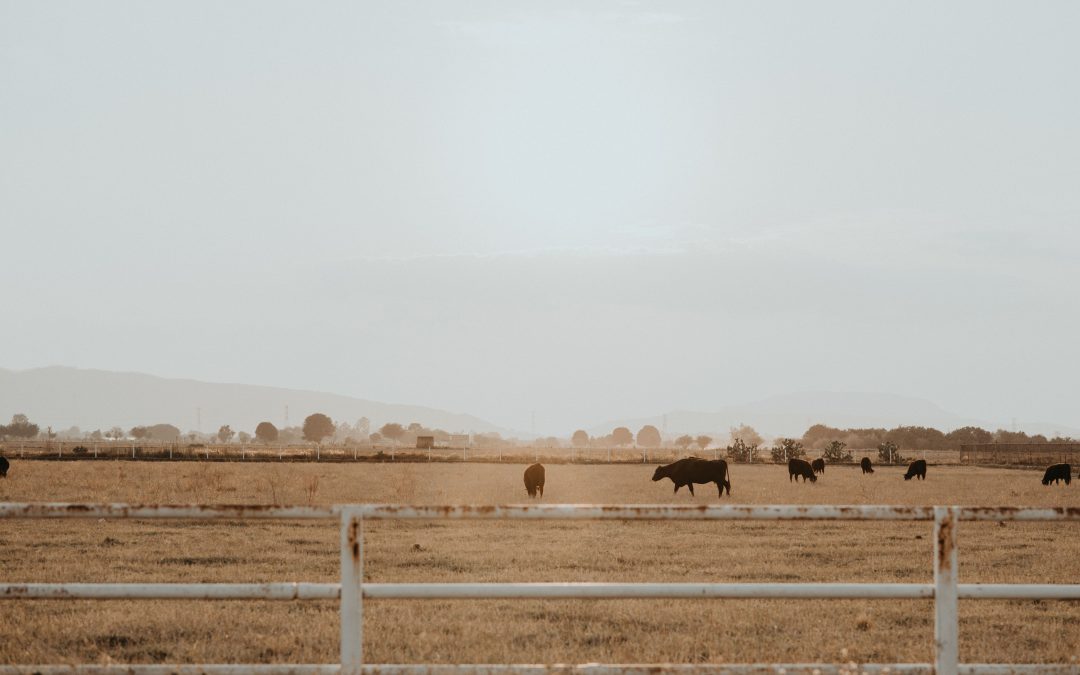
Buying ranch and agricultural property in Wyoming requires careful evaluation of water rights, soil capabilities, boundary access, and mineral ownership. Buyers must verify senior water shares, inspect irrigation delivery systems, and review historical livestock carrying capacities before making an offer. Working with local land specialists in Riverton and Fremont County helps buyers navigate municipal land regulations and rural property transactions efficiently. Gathering local agricultural data early prevents costly mistakes during the acquisition process.
What Water Rights Come With the Property?
Wyoming follows the doctrine of prior appropriation for surface and groundwater usage. Senior water rights grant priority access to irrigation canals during dry summer months. Buyers must inspect state engineer records to confirm decreed volume, priority dates, and allowed diversion points. Unrecorded wells or unapproved ditches create legal disputes and reduce seasonal crop yields. Water rights remain attached to the land unless former owners severed them legally. Evaluating ditch company shares and annual maintenance fees clarifies long-term operating costs.
How Do You Evaluate Soil Quality and Forage Production?
Soil composition dictates crop output and pasture regeneration rates across rural acreage. Natural resource conservation data reveals soil depth, salinity levels, and native grass varieties on site. Sandy loam soils support diverse forage, while heavy clay restricts root growth and drainage. Testing soil samples helps buyers project fertilizer expenses and seasonal stocking capacities accurately. High organic matter content improves water retention during hot weather. Past management practices influence current soil health and pasture production rates.
What Land Access and Boundary Features Matter Most?
Legal ingress and egress affect daily ranching operations and heavy equipment movement. Title commitments must show recorded easements across neighboring parcels to prevent access disputes. Fenced perimeters require physical inspection to verify structural integrity and exact boundary placement. Natural barriers like rivers or ridges sometimes alter actual fence positions away from true survey boundaries.
- Deeded legal access recorded on county road maps
- Perimeter fencing conditions along public and private lines
- Internal road networks suitable for stock trailers and tractors
- Creek crossings and cattle guards designed for heavy machinery
How Do Local Zoning and Land Use Policies Impact Operations?
Fremont County regulates agricultural land uses through local zoning codes and development standards. Building permits, livestock limits, and commercial processing operations require specific county approvals. Reviewing county master plans helps buyers understand surrounding development trends and future land restrictions. Local zoning rules protect agricultural operations from urban encroachment. County planning departments provide guidance regarding set-back requirements and building codes.
What Mineral Rights and Grazing Leases Stay With the Land?
Mineral ownership in the West often stays separate from surface property rights. Severed mineral rights allow energy companies to access surface acreage for extraction activities. Public grazing permits tied to federal lands offer valuable expanded grazing options for livestock owners. Buyers must review Bureau of Land Management transfer policies to maintain active grazing privileges after closing. Surface use agreements define access routes and compensation for land disturbances. Reviewing active oil, gas, or solar leases prevents unexpected operational conflicts on private pastures.
How Does Climate and Seasonality Affect Stocking Rates?
Elevation changes and severe winter weather shape grazing schedules throughout western regions. High wind conditions and low annual rainfall limit vegetation growth during summer months. Ranchers must store supplemental hay supplies to feed livestock during prolonged snow events. Knowing regional weather patterns helps operators calculate realistic herd sizes and annual feed expenses. Cold winter temperatures increase livestock energy needs, requiring higher quality winter feed. Spring snowmelt provides moisture for early grass growth across mountain pastures.
What Infrastructure and Improvements Currently Exist on Site?
Working ranches require operational barns, working corrals, and functional water distribution networks. Replacing damaged stock tanks or outdated pump systems adds significant capital costs to an initial acquisition. Evaluating existing structures helps buyers negotiate repairs or price adjustments prior to purchase. Sturdy perimeter fencing prevents livestock losses along busy highways. Well-maintained handling facilities speed up spring branding and seasonal herd sorting operations.
- Corrals and sorting alleys built with heavy steel or timber
- Stock wells, storage tanks, and solar-powered livestock pumps
- Outbuildings, equipment shops, and hay storage barns
- Residential dwellings, bunkhouses, and utility hookups
How Do You Assess Tax Implications and Agricultural Classifications?
Wyoming taxes agricultural land based on productive capability rather than open market value. Landowners must prove active agricultural production through livestock sales or crop harvests to keep favorable tax rates. Missing annual income thresholds causes properties to lose agricultural status, raising property tax bills sharply. Local county assessors review annual income records to confirm eligibility. Understanding tax depreciation schedules on agricultural equipment reduces tax burdens for new land owners. Proper record-keeping supports eligibility during routine county tax reviews.
What Financing and Capital Requirements Apply to Agricultural Purchases?

Lenders evaluate agricultural land loans differently than standard residential home mortgages. Lenders look at cash flow projections, debt coverage ratios, and total acreage yields. Down payment requirements for rural land acquisitions often range between twenty and thirty percent. Liquid reserves help farm managers handle unexpected equipment repairs or drought conditions. Long-term loan terms offer predictable payments for expanding livestock producers.
- Specialized land lenders offer long-term fixed interest options
- Down payments reflect total acreage and operational income
- Operating lines of credit cover annual seed and livestock costs
- Government loan programs support qualified agricultural buyers
How Do Conservation Easements Influence Long-Term Property Value?
Conservation easements limit future subdivision rights to protect open space and natural wildlife habitats. Landowners receive substantial income tax deductions in exchange for permanent development restrictions. Easements lower property estate taxes while preserving traditional working ranch operations for future generations. Buyers should examine existing easement terms to confirm planned agricultural projects remain permitted on site. Public land trusts monitor easement compliance through annual property visits. Preserving open working land maintains wildlife corridors across rural valleys.
What Irrigation Methods Best Suit Wyoming Topography?
Irrigation choices depend on water availability, field slopes, and soil infiltration rates. Flood irrigation relies on gravity flow, requiring flat terrain and abundant early spring water supplies. Center pivot systems offer precise water application, reducing total water waste on large crop fields. Side-roll sprinklers fit medium-sized pastures with moderate elevation changes across the acreage. Selecting efficient irrigation machinery cuts power costs and labor hours during peak crop growing seasons. Maintenance schedules keep pumps, mainlines, and nozzles operating smoothly throughout dry months.
How Do Wildlife and Hunting Regulations Affect Land Value?
Wyoming harbors diverse wildlife populations, including elk, mule deer, pronghorn, and upland birds. Agricultural land with abundant wildlife creates opportunities for private hunting leases and recreational income. Landowners qualifying for landowner hunting tags gain exclusive hunting opportunities on private property. Managing wildlife habitat alongside livestock grazing creates a balanced ecosystem across big acreage. Public wildlife agencies partner with landowners to build wildlife-friendly fence designs. Fencing choices protect big game migration routes while holding cattle securely inside pastures.
What Environmental Checks Are Necessary Before Closing?
Diligence requires investigating past chemical usage, fuel storage tanks, and potential ground contamination. Historical agricultural sites sometimes harbor abandoned sheep dips, old petroleum barrels, or unregistered dump sites. Professional Phase I environmental site assessments identify potential environmental liabilities before closing sales contracts. Environmental cleanup costs fall on current landowners regardless of who caused original contamination. Inspecting fuel storage areas and chemical sheds protects groundwater sources from hazardous spills. Testing well water quality verifies safety for livestock and residential consumption.
How Do You Plan for Long-Term Operation and Property Succession?
Managing agricultural land requires long-term planning for business growth, labor needs, and generational transfers. Establishing clear operational goals helps owners select property suited for specific agricultural enterprises. Hiring experienced ranch managers or leasing pastures to local operators generates steady revenue. Planning property transfers early protects family assets from heavy inheritance tax burdens. Modern technology tools assist with herd tracking, pasture rotations, and financial accounting. Structured business entities keep land holdings separated from daily operational liabilities.
Frequently Asked Questions
How many acres do you need to qualify for agricultural property status in Wyoming?
Wyoming law requires property owners to derive primary income from agricultural production or maintain active commercial agricultural use. Land parcels must produce a minimum gross income from agricultural products each year to qualify. County assessors review annual production records, sales receipts, and grazing leases to grant lower tax valuations.
Are senior water rights guaranteed when buying a ranch in Fremont County?
Water rights in Wyoming attach to the land, but buyers must verify active standing with the State Engineer Office. Title searches verify priority dates, volume allowances, and historical usage patterns across all ditches. Abandoned water rights can be lost if water goes unused for consecutive years without legal extensions.
What is the difference between deeded land and leased grazing permits?
Deeded land represents privately owned acreage held under full legal title by the property owner. Leased grazing permits grant temporary grazing rights on public lands managed by federal or state agencies. Leased acres expand livestock capacity but remain subject to agency regulations and annual grazing fee adjustments.
How do property taxes work on Wyoming agricultural land?
County assessors evaluate qualified agricultural land using productive capacity guidelines rather than fair market value. Assessment rates depend on soil productivity, crop yields, and historical livestock carrying capacity. Maintaining active agricultural production keeps annual tax bills significantly lower than residential or commercial rates.
Ready to Find Your Wyoming Ranch Property?
Finding the right agricultural property requires expert local guidance and market knowledge. RE/MAX All-Star, Realtors provides comprehensive support for buyers searching for land in Riverton, Wyoming. Our team helps you evaluate water rights, local zoning rules, and property boundaries. Get in touch with us on our website!